
Everyone talks about building the next big SaaS.

I did the opposite.
Instead of chasing one massive product, I built six tiny Python micro-tools that solve boring, specific problems. Each one is simple. Each one took days not months. And together, they generate small but consistent passive income every single day.
🔥 Top Tech Jobs Are Hiring NOW — Don’t Miss Out.
👉 Apply & Secure Your Job

Here is exactly how I did it.
Why Micro-Tools Work Better Than Big Ideas
Big products require:
- Large feature sets
- Marketing budgets
- Ongoing support
- Complex infrastructure
Micro-tools require:
- One clear problem
- One clean solution
- Minimal maintenance
- Simple distribution
The secret is focus. Not scale.
Each tool I built follows one rule:
Solve one painful problem extremely well.
1. Resume Keyword Optimizer (For Job Seekers)
Problem: People get rejected by ATS systems.
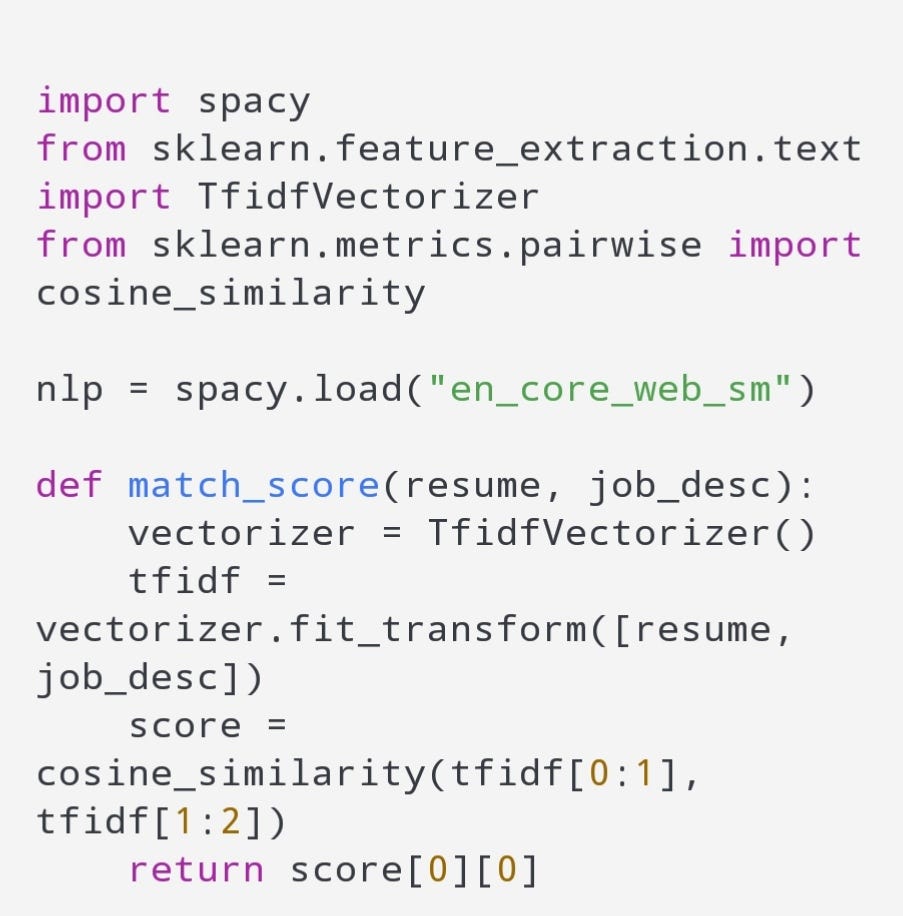
Solution: A small Python tool that analyzes resumes and suggests missing keywords based on job descriptions.
How I Built It
I used:
- spaCy for NLP
- scikit-learn for similarity scoring
- streamlit for a simple UI
I deployed it as a simple web app and offered:
- Free limited scans
- Paid detailed reports
Income Model: One-time small payment per optimized resume.
2. YouTube Title Generator for Creators
Problem: Small creators struggle with clickable titles.
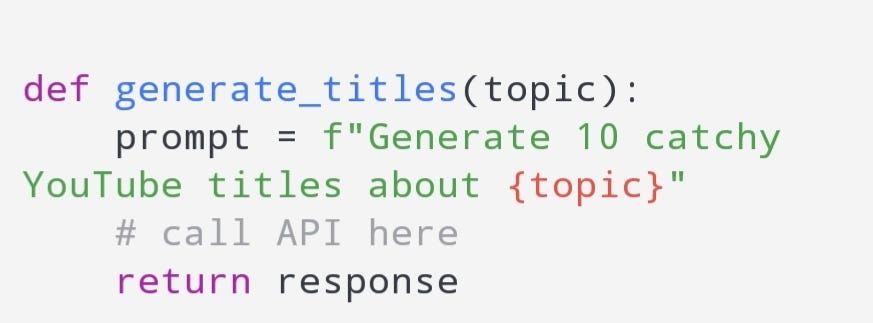
Solution: AI-powered title suggestions based on topic + niche.
I integrated OpenAI API and wrapped it in a lightweight web interface.
Income Model: Monthly subscription for unlimited title generation.
3. CSV Cleaner for Non-Technical Users
Problem: Small businesses receive messy CSV exports.
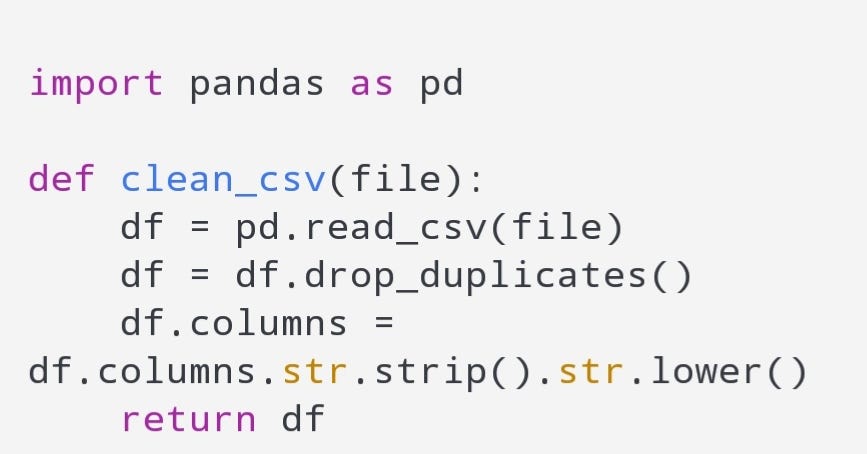
Solution: Drag-and-drop CSV cleaner that:
- Removes duplicates
- Standardizes columns
- Fixes encoding
- Formats dates
Income Model: Pay-per-clean or small monthly plan.
Boring? Yes.
Profitable? Also yes.
4. Invoice Generator for Freelancers
Problem: Freelancers do not want accounting software.
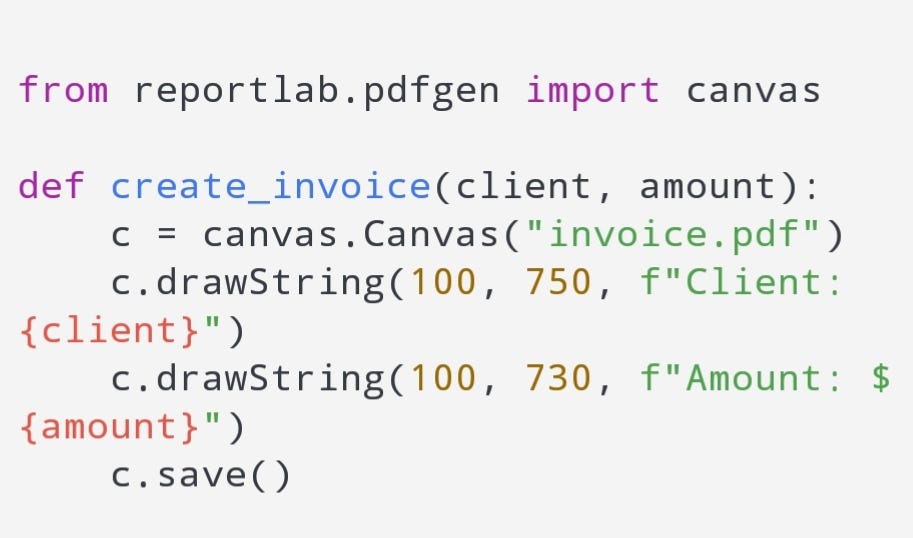
Solution: Minimal invoice PDF generator.
I used:
- reportlab
- Simple form inputs
Income Model: One-time lifetime purchase.
5. Website Uptime Monitor for Indie Hackers
Problem: People do not know when their site goes down.
Solution: Python script + cron job + email alerts.
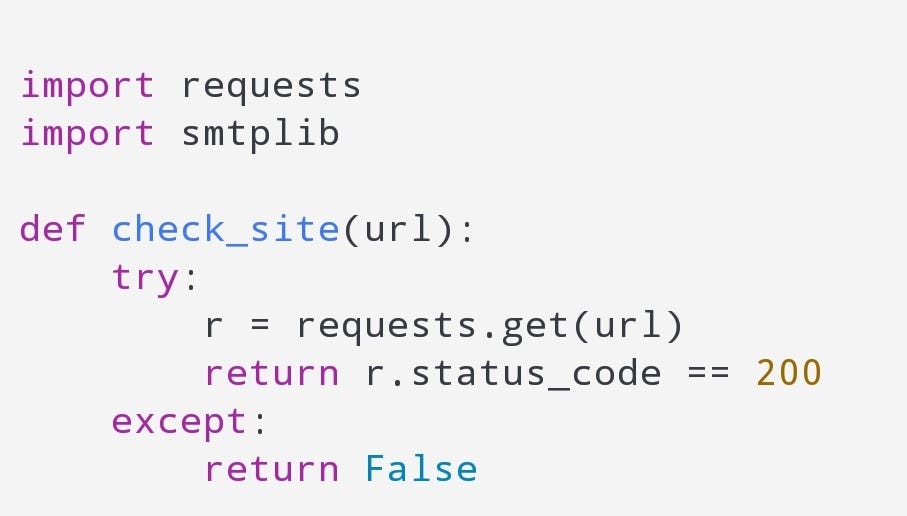
Income Model: Subscription for monitoring multiple sites.
Simple infrastructure. No overengineering.
6. AI-Powered Product Description Generator
Problem: E-commerce sellers struggle with writing product descriptions.
Solution: Small prompt-based description generator with SEO formatting.
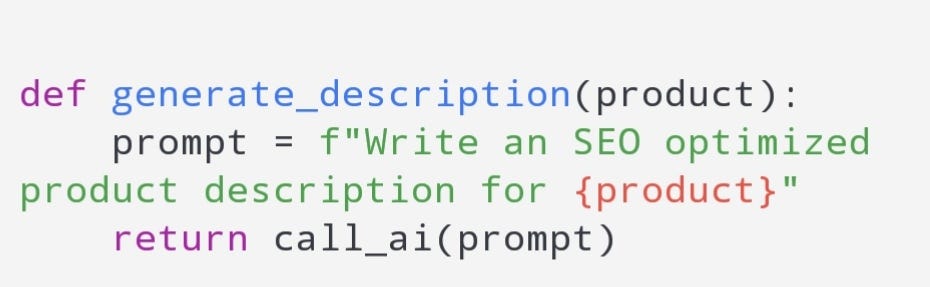
Income Model: Credit-based usage system.
Where I Sell Them
I distribute my micro-tools through:
- Gumroad
- Simple personal landing pages
- Direct outreach to niche communitiesNo
big ads.
No complex funnels.
Just niche targeting.
What I Learned Building These
1. Small Problems Pay
People gladly pay small amounts to remove small frustrations.
2. Speed Beats Perfection
Each tool took between 2–10 days.
3. Simplicity Reduces Support
Fewer features = fewer complaints.
4. Multiple Streams Reduce Risk
One tool makes little.
Six tools together create stability.
My Actual Strategy
Here is the exact framework I follow now:
- Find a repetitive manual task.
- Validate demand in niche communities.
- Build a 1-feature MVP.
- Launch quickly.
- Improve only if people pay.
No complex startup roadmap.
Just solve, ship, earn.
Why This Works Especially Well for Python Developers
As a Python developer, you already have:
- Automation power
- Data handling skills
- API integration ability
- Fast prototyping tools
Python is perfect for micro-products because:
- Development is fast
- Libraries are mature
- Deployment is simple
You do not need venture capital.
You need one useful script.
Writer : Abdul Hanan