
Abstract
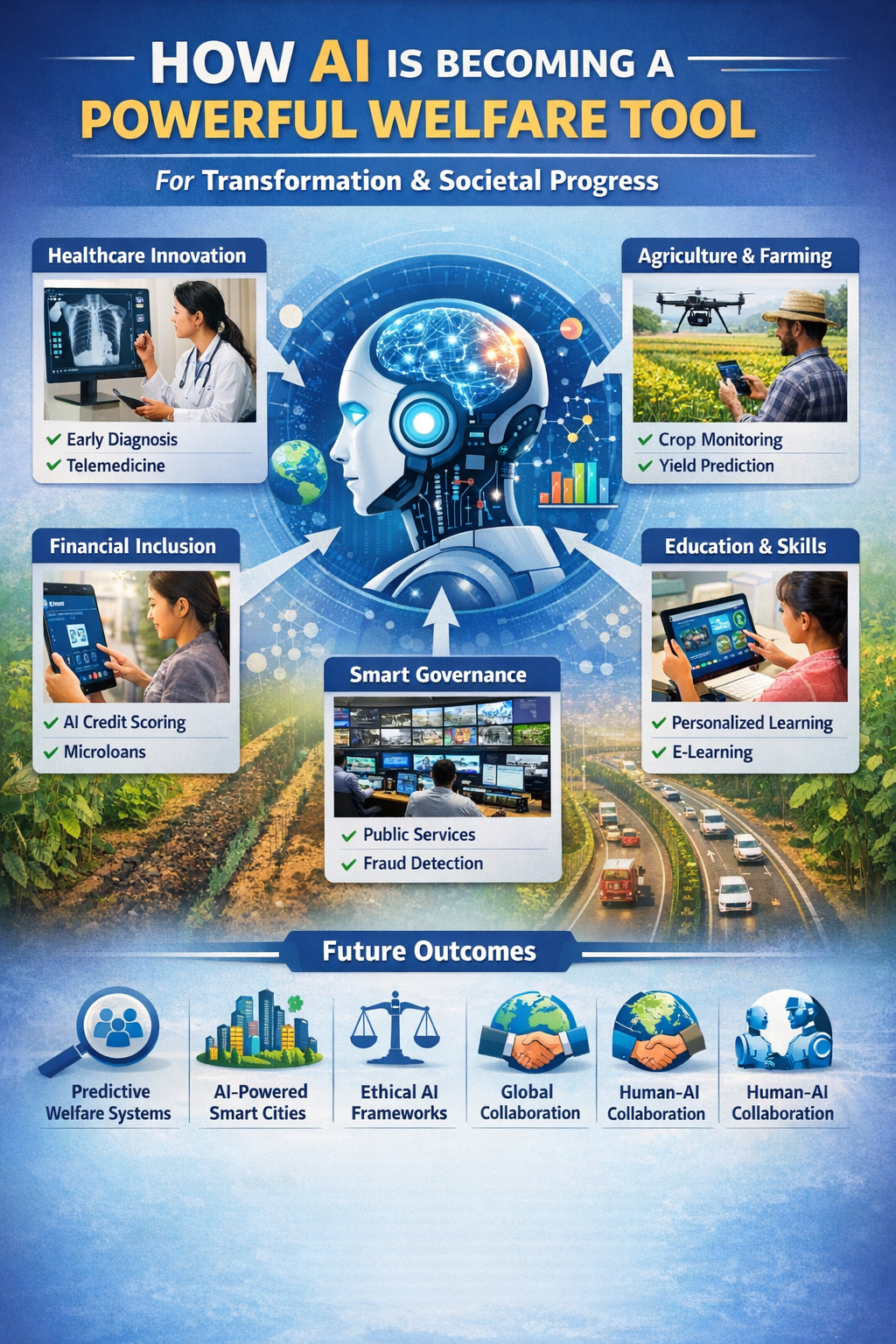
Artificial Intelligence (AI) is transforming modern society by extending its impact beyond commercial applications into welfare systems and public service delivery. Governments, international organizations, and private institutions are leveraging AI to improve healthcare access, enhance agricultural productivity, promote financial inclusion, optimize education systems, and strengthen governance mechanisms. By enabling predictive analytics, automation, and data-driven decision-making, AI increases efficiency, transparency, and inclusivity in welfare programs. This paper examines how AI acts as a catalyst for societal transformation, highlights practical use cases, and discusses its future implications for sustainable development and inclusive growth.
Introduction
The 21st century has witnessed rapid technological advancements, with Artificial Intelligence emerging as one of the most transformative innovations. Traditionally associated with business optimization and automation, AI is now being deployed to address complex societal challenges such as poverty, healthcare inequality, food insecurity, and inefficient public service systems.
In developing nations like India, where population scale and resource constraints create governance challenges, AI offers scalable, data-driven solutions. Organizations such as United Nations and NITI Aayog emphasize AI’s role in achieving Sustainable Development Goals (SDGs) and promoting inclusive growth. The integration of AI into welfare systems marks a shift from reactive governance to predictive and preventive governance.
1. AI in Healthcare Welfare


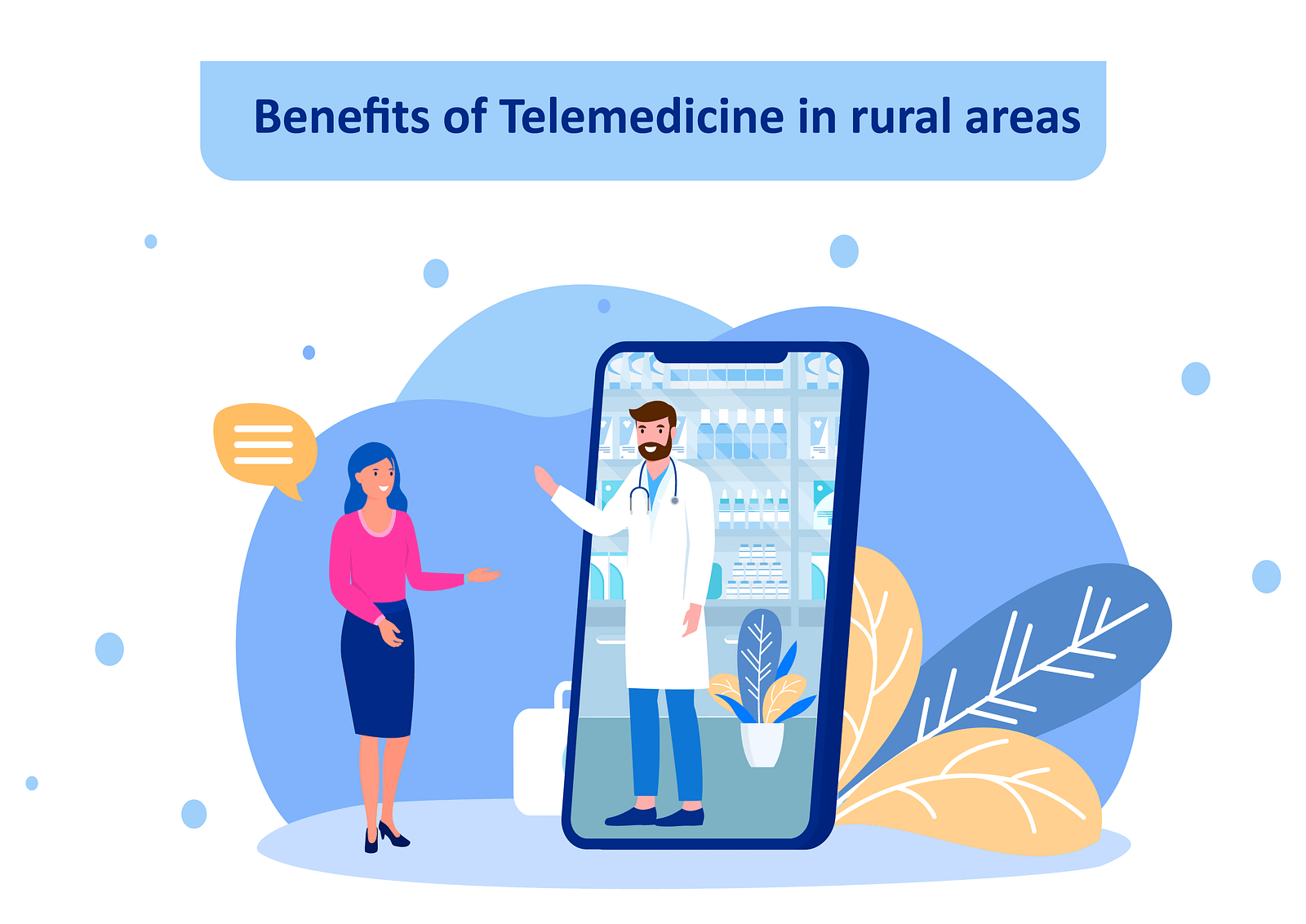
AI-powered diagnostic systems can detect diseases such as cancer, tuberculosis, and heart conditions at early stages using medical imaging and predictive modeling. Telemedicine platforms equipped with AI chatbots provide healthcare consultation in rural and underserved regions.
For example, AI-based epidemic monitoring systems are used by the World Health Organization to track and predict disease outbreaks.
Agriculture remains a primary livelihood source in many developing countries. AI tools analyze weather patterns, soil health, and crop images to predict yields and detect pest infestations. Precision farming technologies improve productivity while reducing resource waste.
Impact:
- Increased farmer income
- Reduced crop losses
- Strengthened food security
2. AI in Agriculture & Farmer Welfare

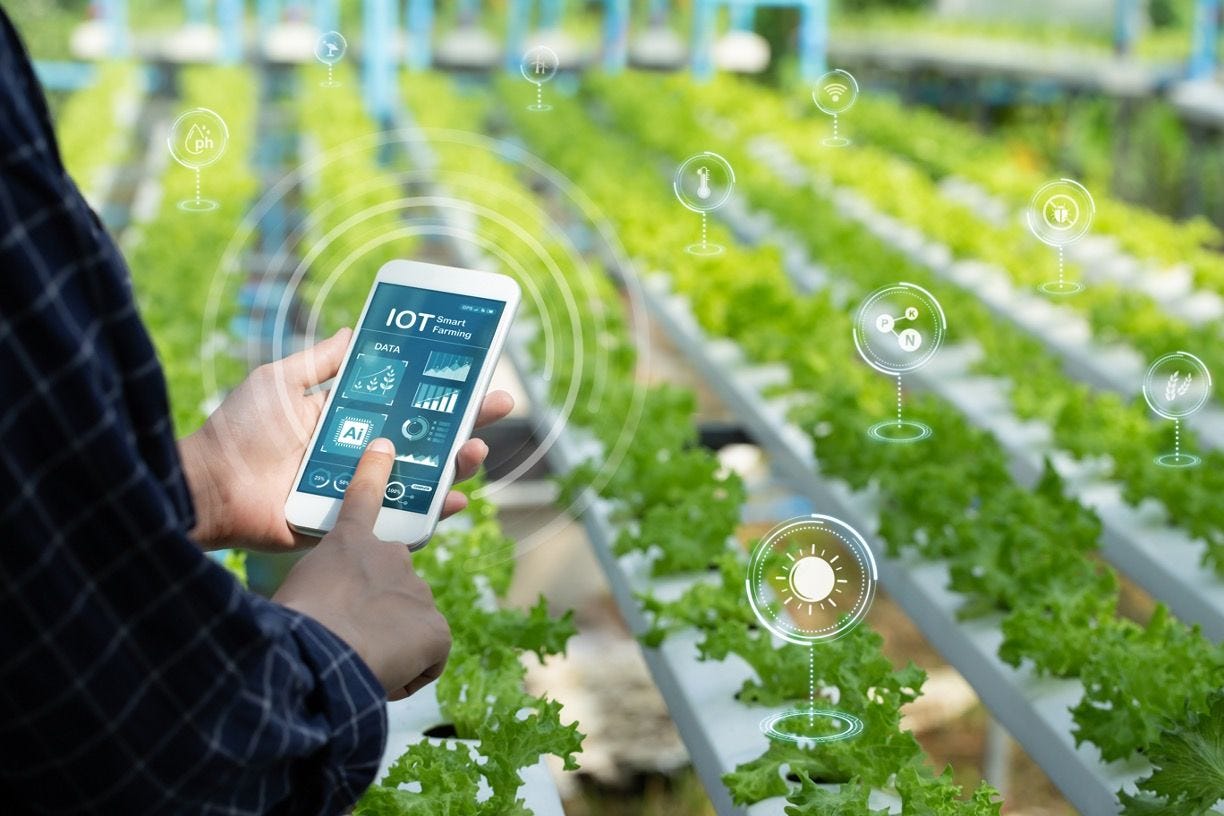
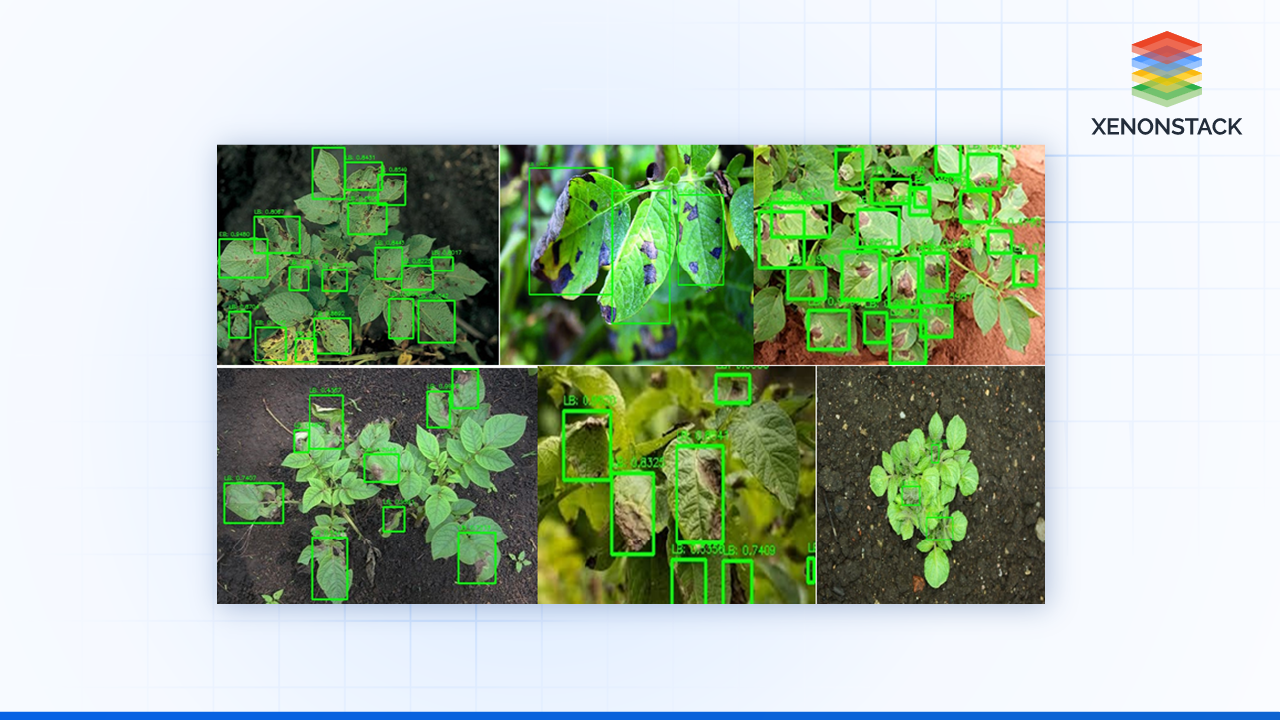
Agriculture remains a primary livelihood source in many developing countries. AI tools analyze weather patterns, soil health, and crop images to predict yields and detect pest infestations. Precision farming technologies improve productivity while reducing resource waste.
Impact:
- Increased farmer income
- Reduced crop losses
- Strengthened food security
3. AI in Financial Inclusion


Millions remain outside formal banking systems. AI-driven credit scoring models use alternative data to assess creditworthiness of individuals without traditional financial histories. AI also strengthens fraud detection in welfare fund distribution.
Technology companies like Google and Microsoft are investing in AI solutions to improve digital financial access and transparency.
Impact:
- Empowerment of small entrepreneurs
- Reduced financial fraud
- Inclusive economic growth
4. AI in Education & Skill Development
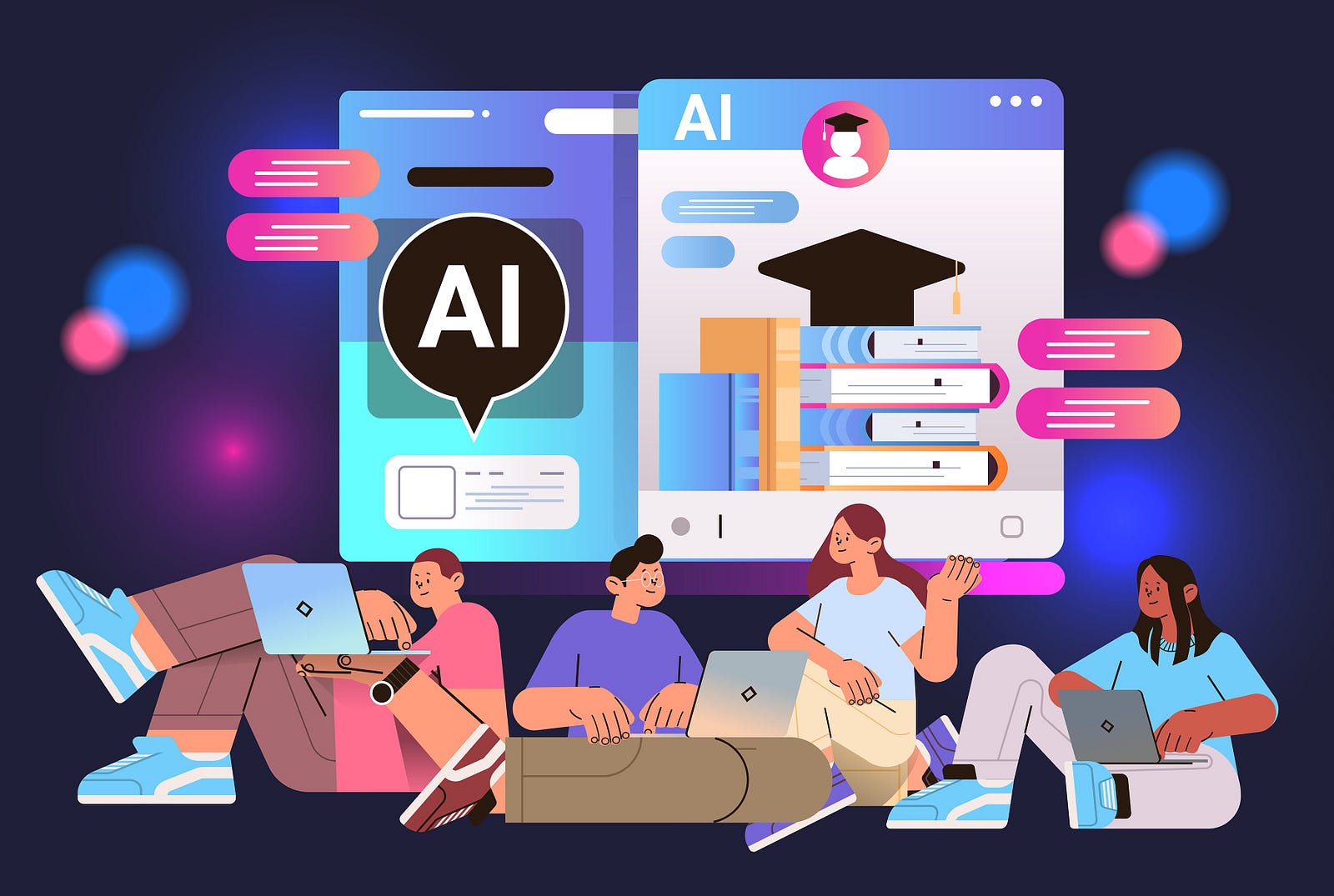

AI enables personalized learning by adapting educational content based on student performance. Language translation and speech recognition technologies help overcome literacy and language barriers.
Impact:
- Equal learning opportunities
- Improved literacy rates
- Workforce skill enhancement
5. AI in Governance & Public Welfare Delivery
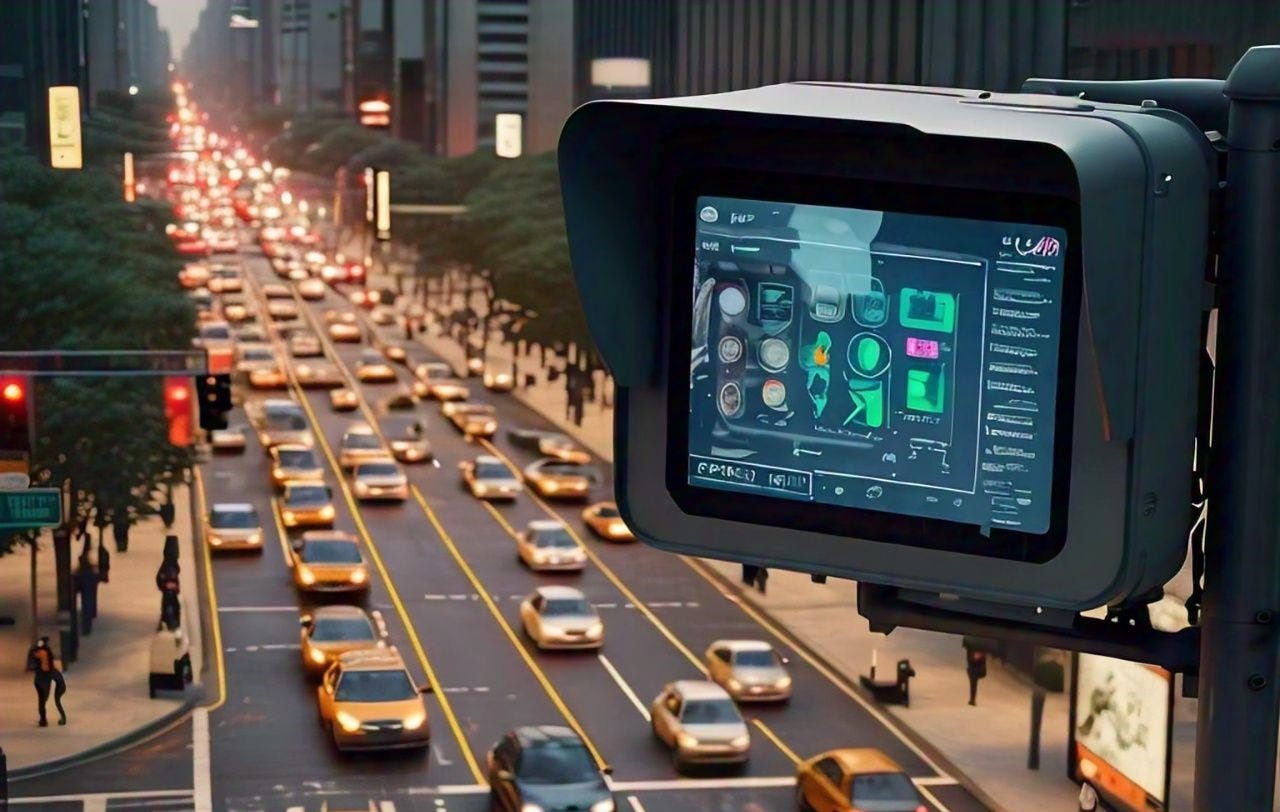
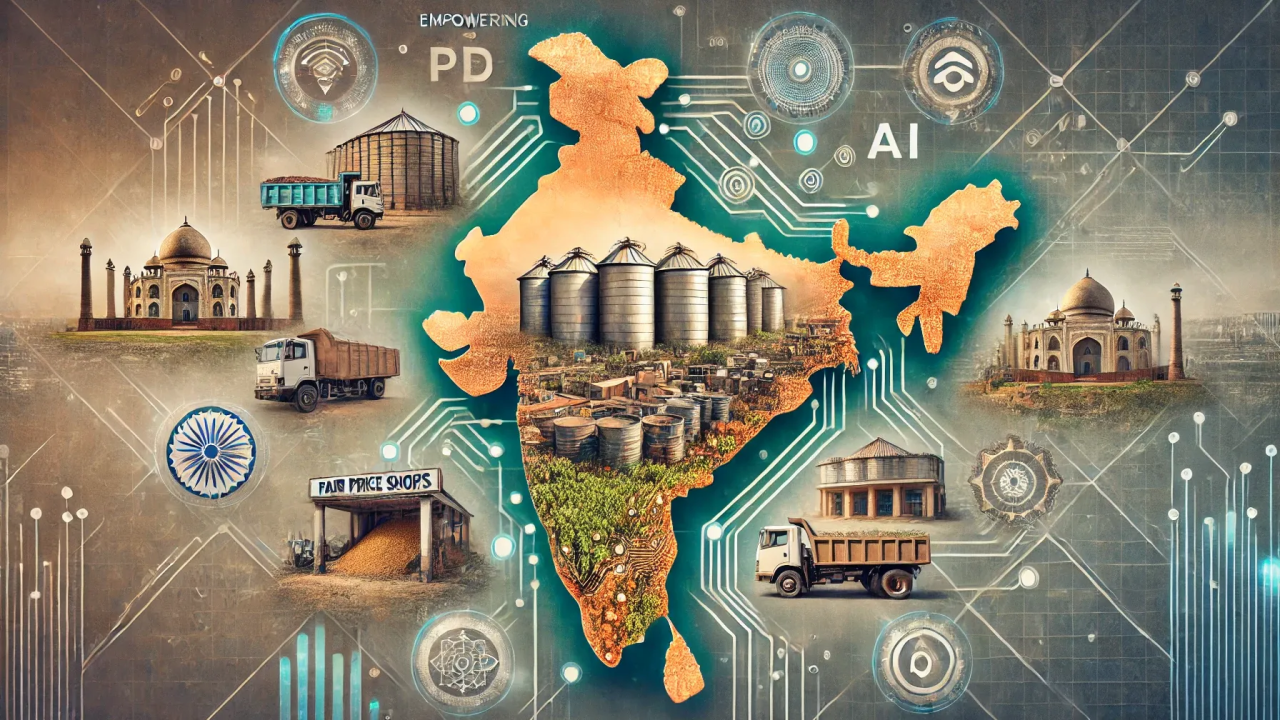
Governments are deploying AI to reduce corruption, improve subsidy targeting, and manage urban infrastructure. Predictive analytics helps identify vulnerable populations and allocate resources efficiently.
Impact:
- Transparent governance
- Efficient policy implementation
- Data-driven decision-making
Conclusion
Artificial Intelligence is reshaping welfare systems by enhancing efficiency, transparency, and accessibility. Its integration into healthcare, agriculture, finance, education, and governance demonstrates its potential as a powerful tool for societal transformation. However, ethical concerns such as data privacy, algorithmic bias, and digital inequality must be addressed to ensure responsible AI deployment. When implemented ethically and inclusively, AI becomes not merely a technological innovation but a transformative force for social equity and sustainable development.
Future Outcomes
Looking ahead, AI’s role in welfare transformation is expected to expand significantly:
- Predictive Welfare Systems — Governments will proactively identify at-risk populations before crises occur.
- AI-Powered Smart Villages & Smart Cities — Integrated systems managing health, transport, agriculture, and energy.
- Ethical & Explainable AI Frameworks — Strong regulations ensuring fairness and accountability.
- Global Collaboration for AI for Good — Cross-border data sharing to address climate change, pandemics, and poverty.
- Human-AI Collaboration Models — AI assisting policymakers rather than replacing human judgment.
In the long term, AI can evolve into a foundational infrastructure for social welfare, enabling sustainable economic growth and equitable development worldwide.
Writer : Swaraj Verma
— Bhuwan Chettri
Editor, CodeToDeploy
CodeToDeploy Is a Tech-Focused Publication Helping Students, Professionals, And Creators Stay Ahead with AI, Coding, Cloud, Digital Tools, And Career Growth Insights.