
Not courses. Not certifications. Tools
There’s something we rarely admit in tech:
Most developers don’t grow inside structured programs.
We grow in friction.
In half-working side projects.
In debugging at 2:17 AM.
In that random GitHub repo we weren’t even looking for — but couldn’t stop reading.
When I look back at the biggest jumps in my developer journey, they didn’t come from certificates or “complete roadmap” courses.
They came from tools.
The right tools — discovered at the right time — changed how I think.
This isn’t a “top trending tech” list.
It’s a list of tools that shifted my mental models.
Each one taught me something deeper than syntax.
Let’s get into it.
🚀 Crack FAANG Interviews in 90 Days!
Prep smarter, not longer. Real coding challenges, mock interviews, and expert guidance — all in one place.
🔥 Get Unlimited Access
1. HMPL
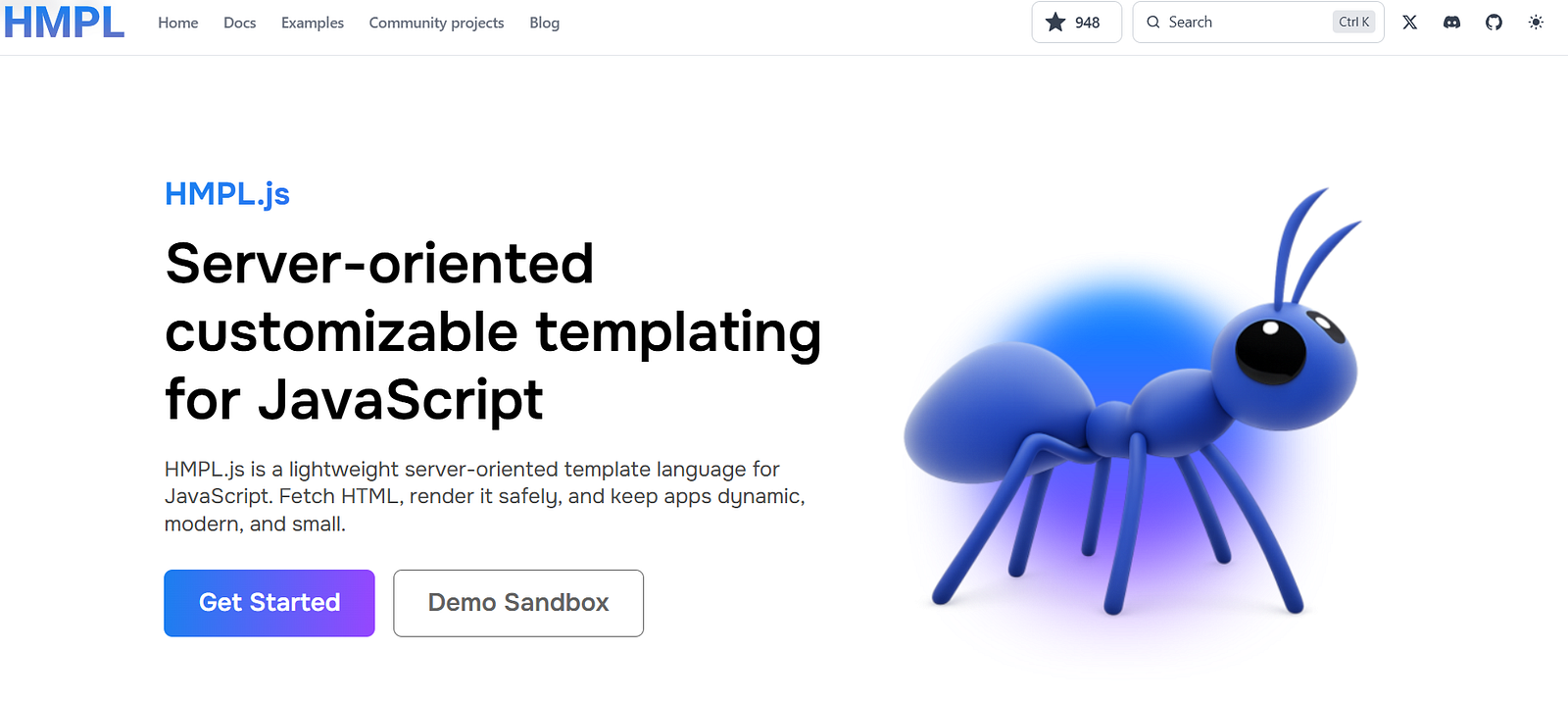
I found HMPL while trying to reduce JavaScript weight in a server-rendered project.
At first, I assumed it was just another templating utility.
It wasn’t.
HMPL is server-oriented, minimal, and precise. No virtual DOM gymnastics. Just JSON5-driven rendering with security via DOMPurify.
When I shipped a frontend that loaded instantly, something changed.
I realized how much complexity I had normalized.
What it teaches:
Performance isn’t a feature you add later. It’s a mindset you start with.
2. Docker Compose
https://docs.docker.com/compose/
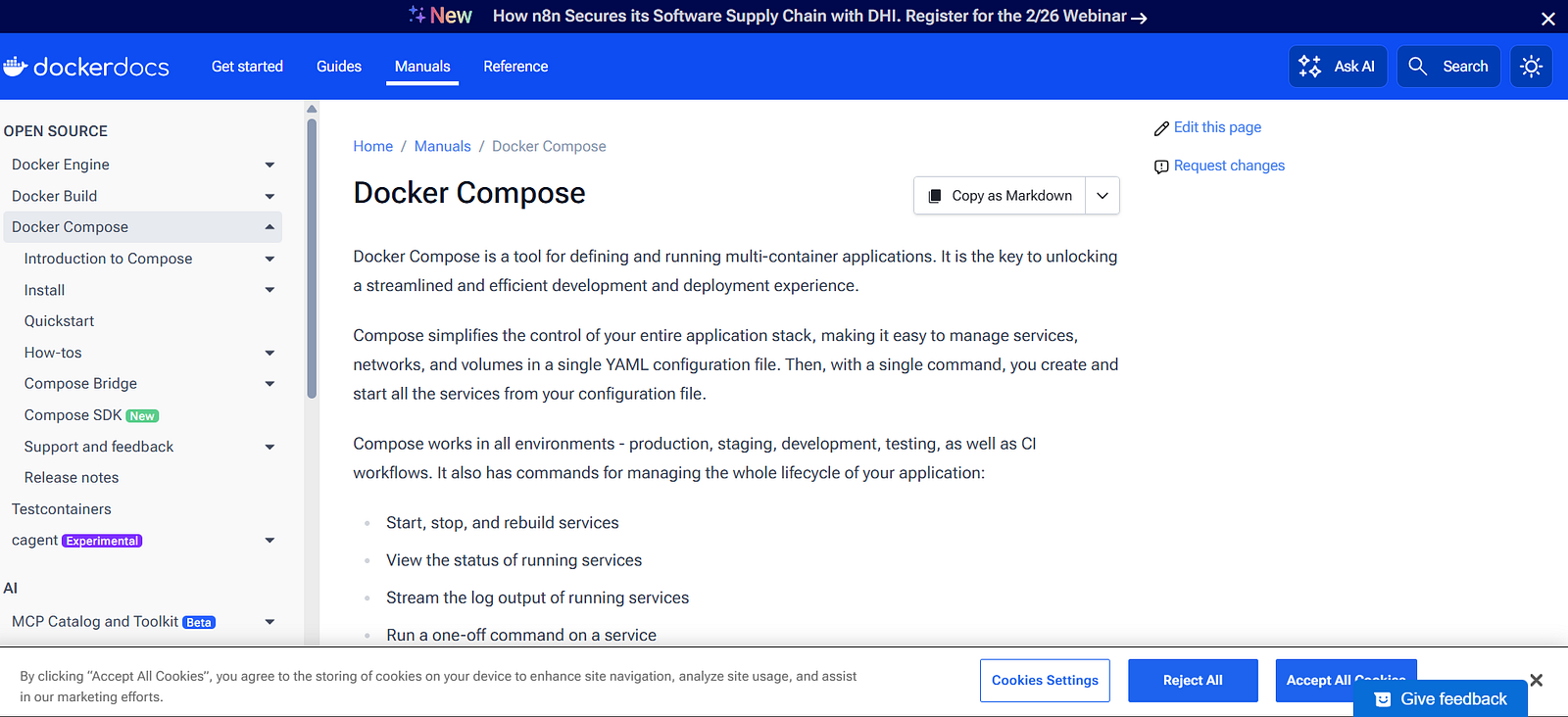
Most developers “know” Docker.
Very few use Docker Compose to orchestrate an actual ecosystem.
The first time I defined my backend, database, and services in one YAML file and brought everything up with a single command, deployment stopped feeling chaotic.
It felt controlled.
Predictable.
Professional.
What it teaches:
Reproducibility is power. Modern development isn’t about apps — it’s about systems.
3. LangChain
Experimenting with AI APIs is easy.
Building AI-powered applications is not.
LangChain changed that for me.
Instead of calling a model and hoping for a response, I started thinking in workflows: memory, tools, chains, agents.
I built a research assistant that could read, compare, and synthesize multiple sources.
That was the moment I realized:
We’re not just coding anymore. We’re designing reasoning.
What it teaches:
The future developer thinks in systems of intelligence, not isolated endpoints.
4. Ollama
Running large models on my own machine felt unreal at first.
No API keys.
No usage limits.
No dependency anxiety.
With Ollama, I could prototype offline AI tools in minutes.
It shifted something subtle but powerful:
AI felt local again. Personal.
What it teaches:
Understanding local AI infrastructure will matter more than most people expect.
5. Vue Vapor
Framework abstractions are comfortable.
Vue Vapor challenged that comfort.
By removing the virtual DOM layer, it showed what happens when performance becomes a first-class principle again.
Testing it forced me to evaluate what I truly need from frameworks — and what I’ve just grown used to.
What it teaches:
Abstraction should serve performance — not hide inefficiency.
6. Shadcn UI
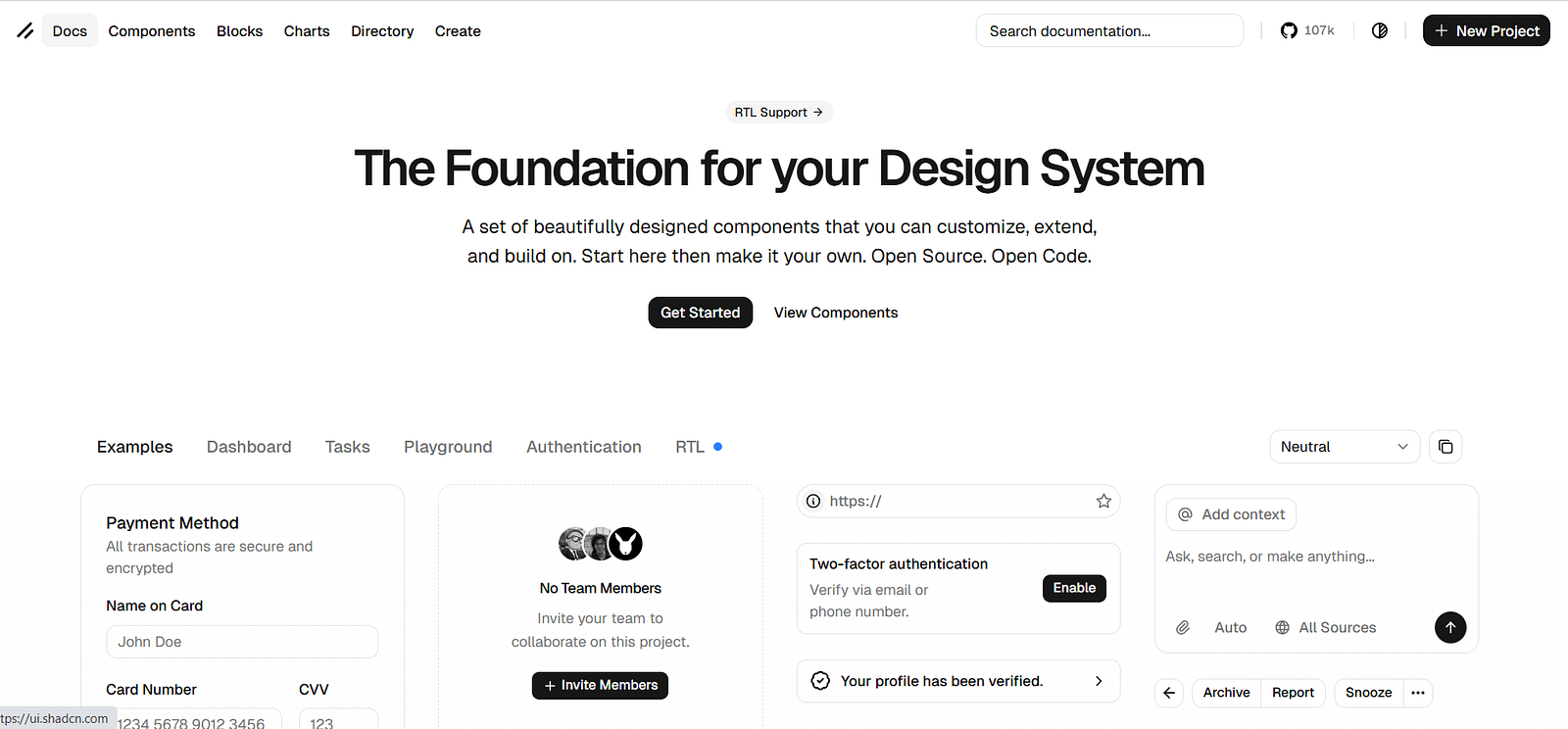
Most component libraries trade flexibility for convenience.
Shadcn does something different.
You copy components into your project. You own them. You customize freely.
No dependency prison.
No rigid theme constraints.
Frontend development became faster — but also cleaner.
What it teaches:
Velocity is important. Ownership is equally important.
7. Postiz
This tool surprised me.
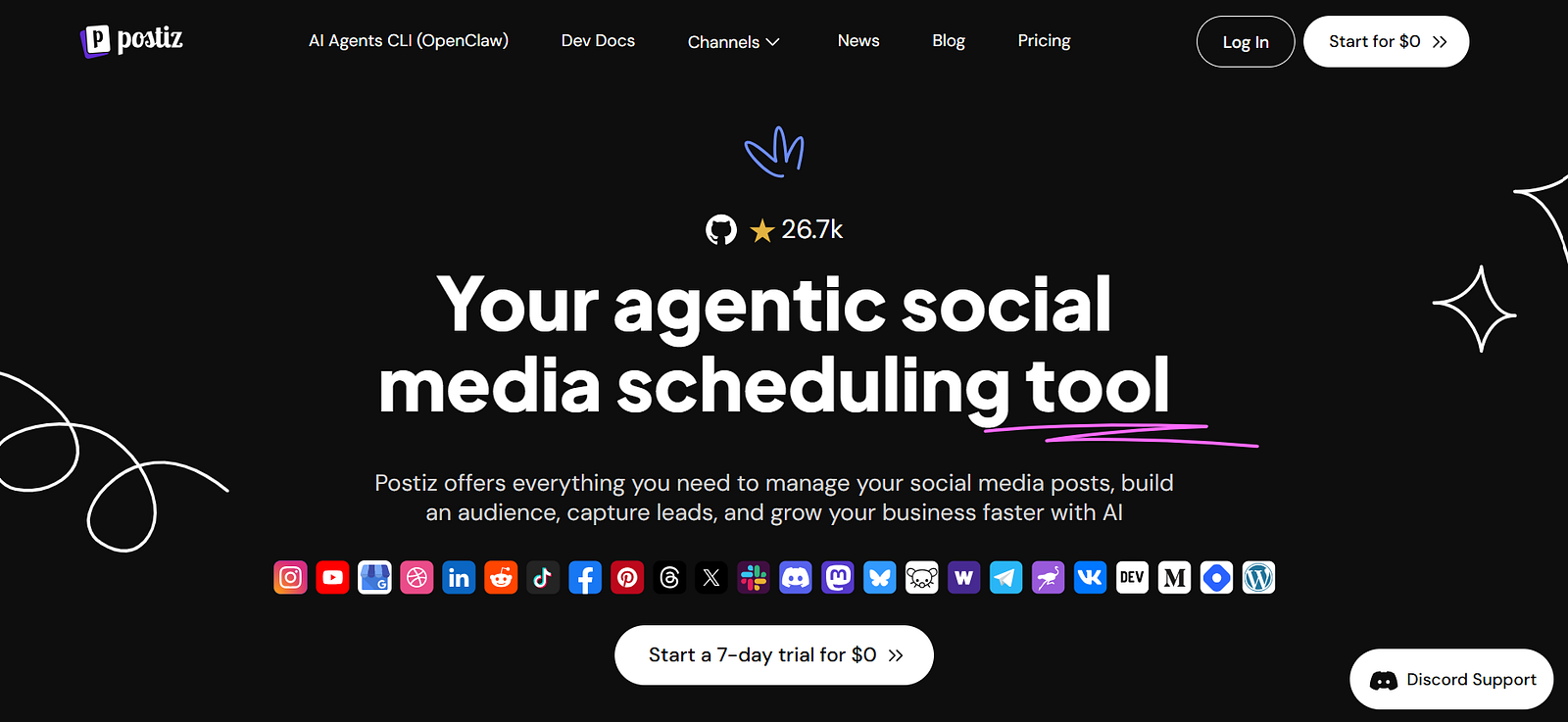
Postiz is a self-hosted social scheduler with AI-assisted content generation.
While building a small content automation system, I realized something important:
Building great software is only half the game.
Distribution is infrastructure too.
What it teaches:
Modern developers must understand marketing automation and content systems — not just code.
8. Bun
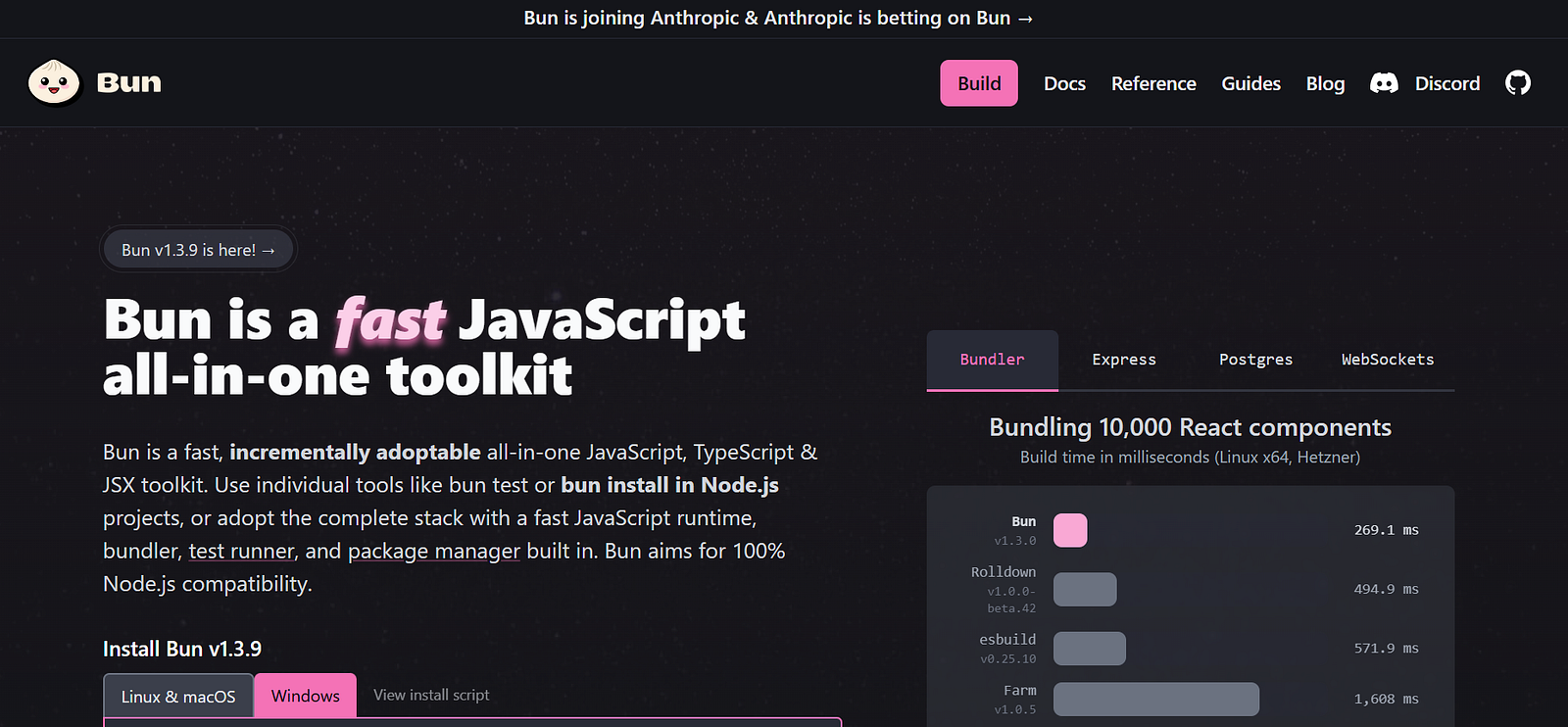
Switching from Node to Bun felt like upgrading the engine of a car.
Install speeds improved.
Test cycles shortened.
Build scripts simplified.
Everything felt lighter.
What it teaches:
Tooling performance compounds. Small speed gains turn into massive productivity wins over time.
9. NestJS
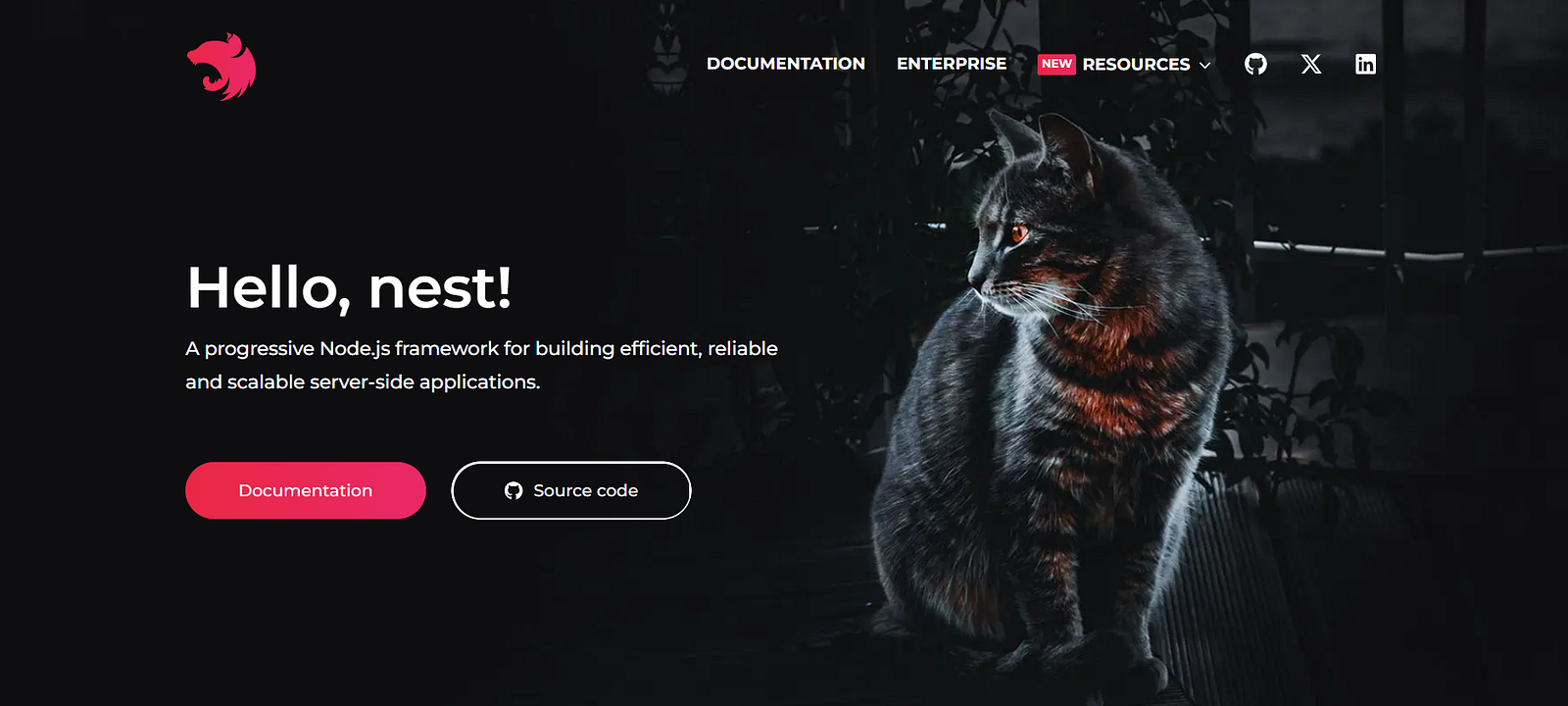
Express made backend development approachable.
NestJS made it architectural.
Dependency injection. Modules. Structure.
It forced me to think in layers instead of routes.
That’s when backend development stopped feeling like stitching endpoints together.
It started feeling like engineering.
What it teaches:
Scalable software requires structure — even when you’re working solo.
10. VuePress
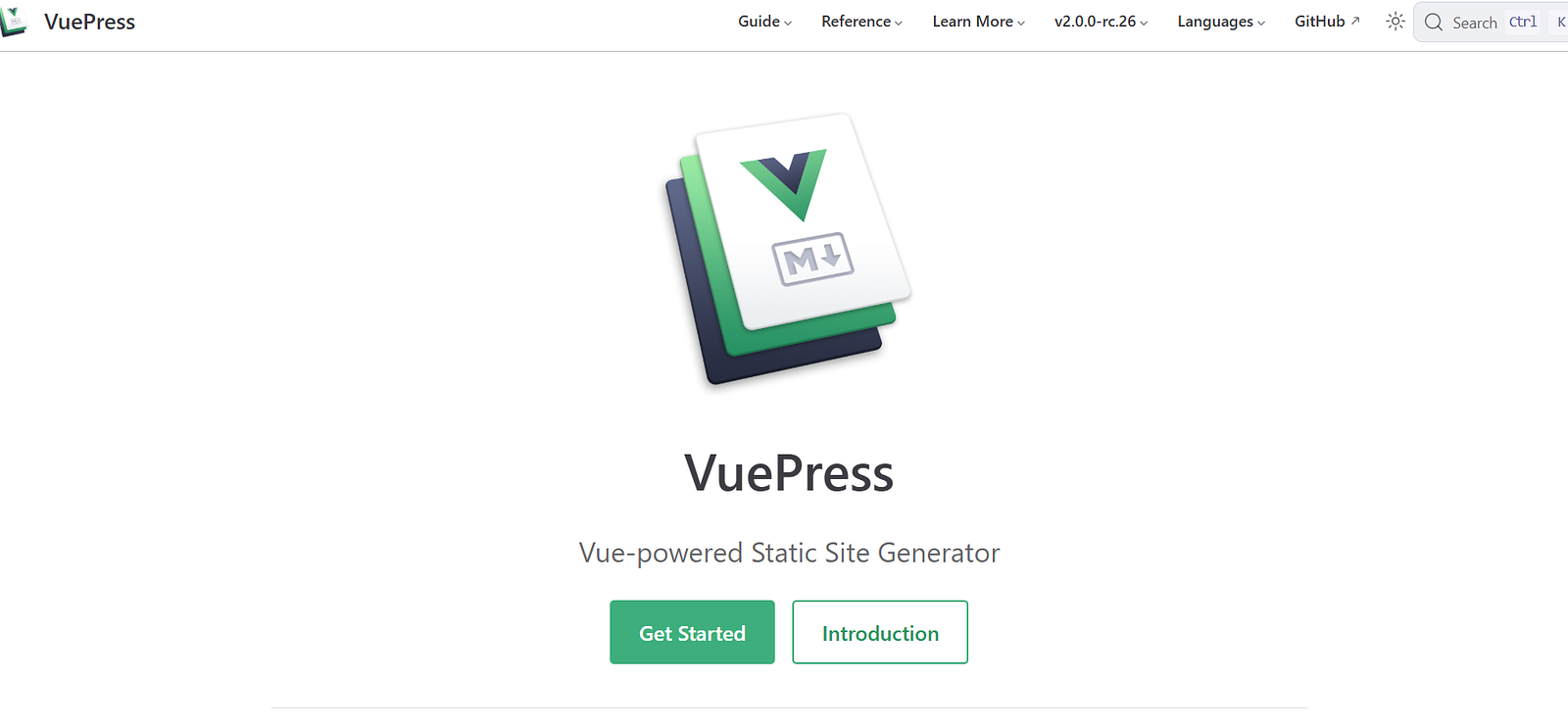
Documentation often feels like an afterthought.
VuePress removes that friction.
Write Markdown. Get a structured documentation site instantly.
When I used it internally, adoption jumped — simply because docs were easy to navigate.
What it teaches:
Good documentation increases product value more than most features.
11. Mockoon
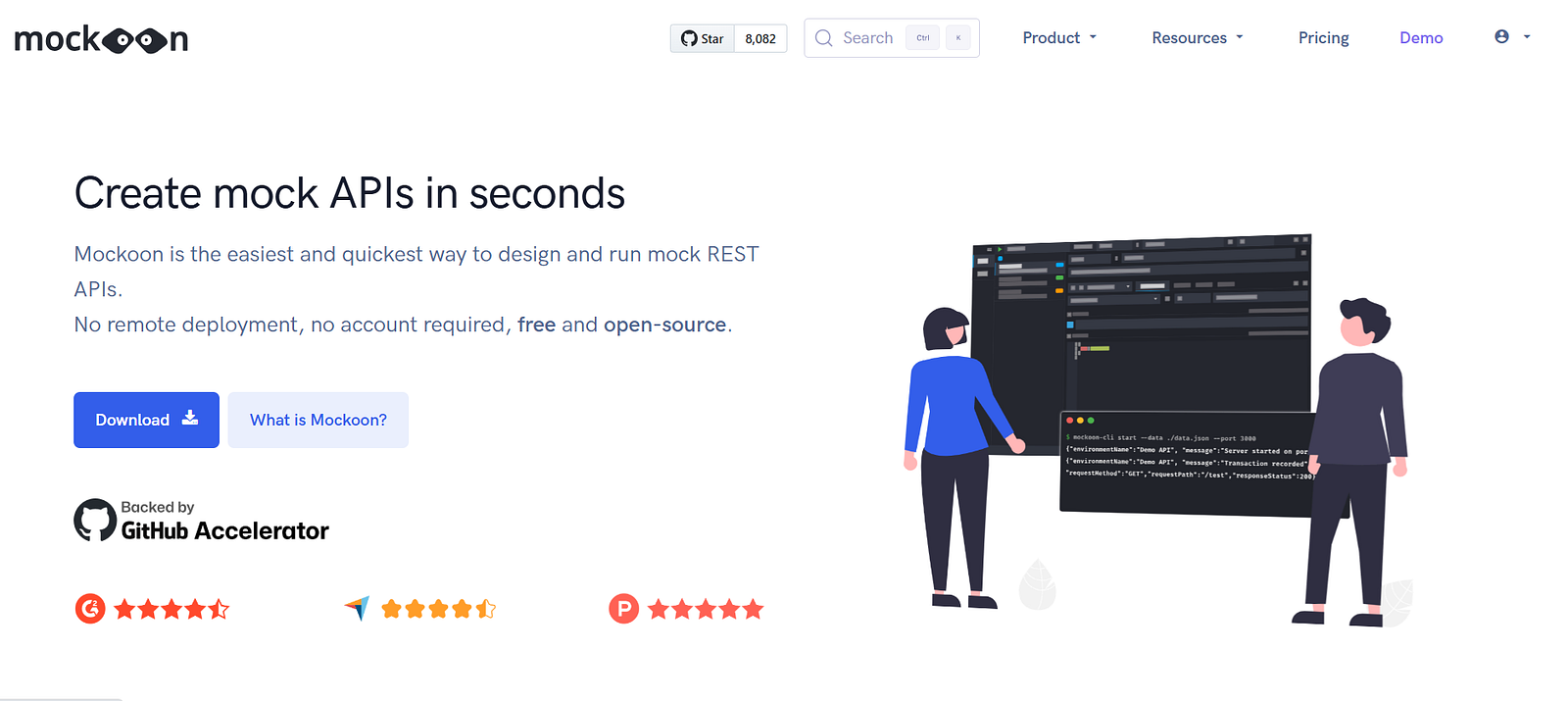
Waiting for APIs can stall entire frontend workflows.
Mockoon eliminates that dependency.
Spin up mock endpoints. Test flows. Keep building.
Momentum is fragile in early projects. This tool protects it.
What it teaches:
Speed of iteration often matters more than backend completeness.
12. Storybook
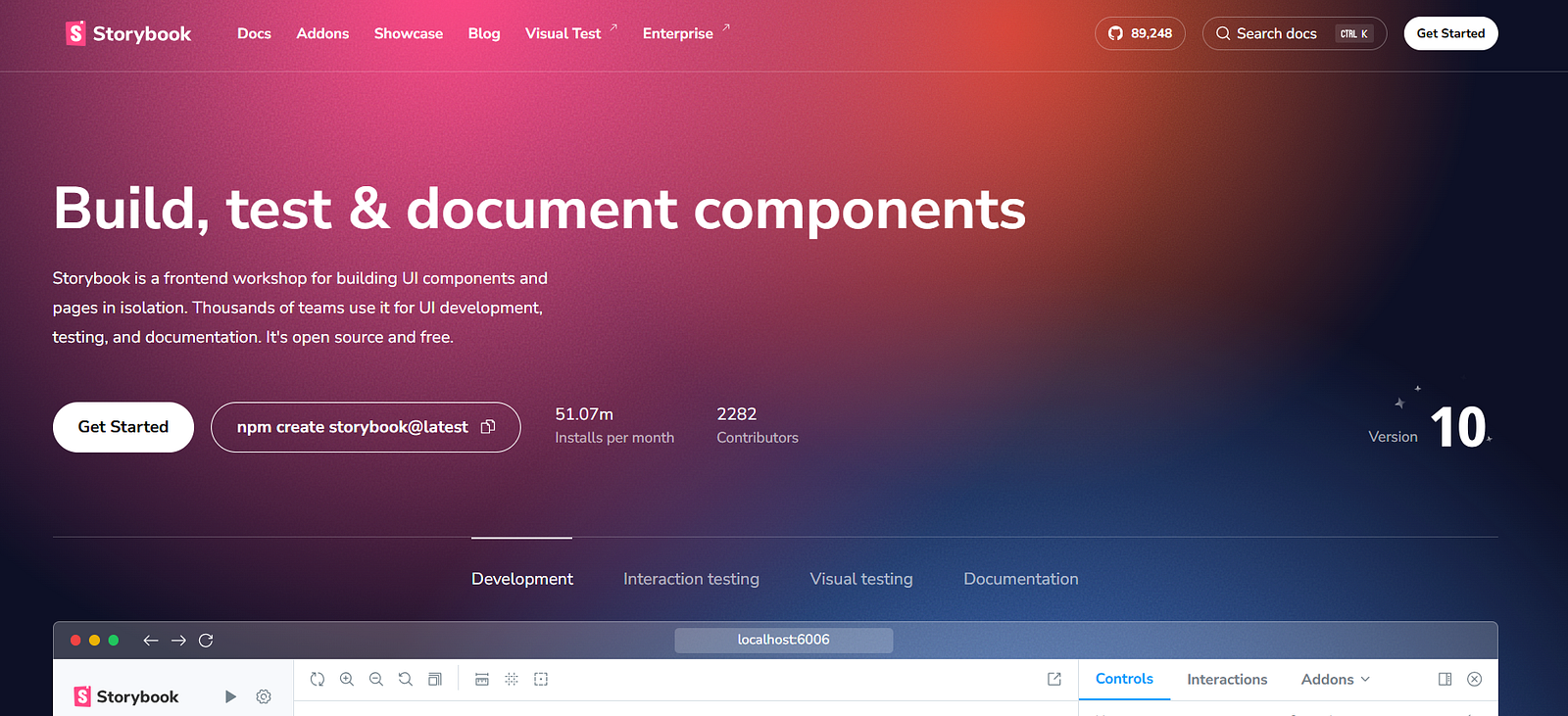
Storybook changed how I approach UI.
Instead of testing components buried inside apps, I began building them in isolation — documenting behavior, edge cases, and usage patterns.
Components stopped being fragments.
They became assets.
What it teaches:
Design systems scale when components are intentional, not accidental.
Growth Comes From Friction, Not Just Courses
If this list feels overwhelming, don’t try to learn everything.
Pick one.
Break it.
Ship something small.
Understand why it exists.
Here’s what most tutorials won’t tell you:
Real growth happens when tools force you to rethink how you build.
Not when you follow step-by-step instructions.
Not when you clone someone else’s repo.
But when you experiment.
Star repositories.
Fork boldly.
Build something slightly weird.
Because that’s where real breakthroughs hide.