
The Stack I Wish I Found Sooner

I used to think building AI agents was mostly about picking the right model.
Then I actually built a few.
🚀 High-Paying Tech Roles Are Open Right Now.
Apply Quickly — The Faster You Move, The Better Your Chance To Get Selected.
👉 Apply & Secure Your Job
And realized the hard part is not the LLM. The hard part is everything around it:
- tool calling
- memory
- retries
- structured outputs
- async workflows
- scraping
- observability
- and making the agent stop hallucinating itself into chaos
After a lot of trial, broken demos, and agents that confidently did the wrong thing, I found a stack that finally made my agents feel stable and usable.
Here are the 8 Python libraries that made the difference.
1. LangChain
The agent framework that makes tool use practical
LangChain is not perfect, but it solves a real problem: wiring together prompts, tools, memory, and chains without reinventing everything.
What I use it for:
- Tool calling with function schemas
- Retrieval pipelines (RAG)
- Prompt templates
- Conversation memory
- Agent routing
If you are building agents that need to call tools and retrieve knowledge, LangChain saves you weeks.
Example: simple tool + agent setup

2. Pydantic
The library that stops agents from returning garbage
If your agent returns JSON and you trust it without validation, you will suffer.
Pydantic is the difference between:
- a toy agent
and - a production-grade agent
It forces structured output, validates fields, and catches failures early.
Example: validate an agent response
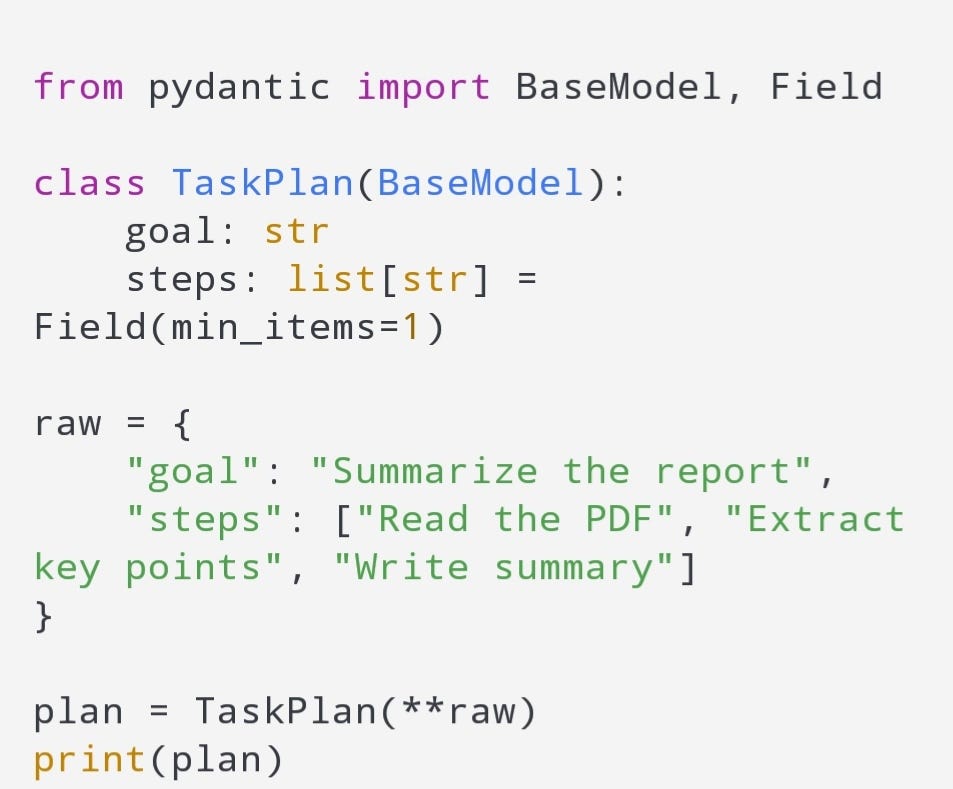
In real agent pipelines, Pydantic prevents 50 percent of weird crashes.
3. Instructor
The easiest way to get reliable structured LLM output
Instructor is one of those libraries that feels like cheating.
Instead of begging the model for valid JSON, you give it a Pydantic schema and it returns the schema.
This dramatically improves agent reliability.
Example: force structured output
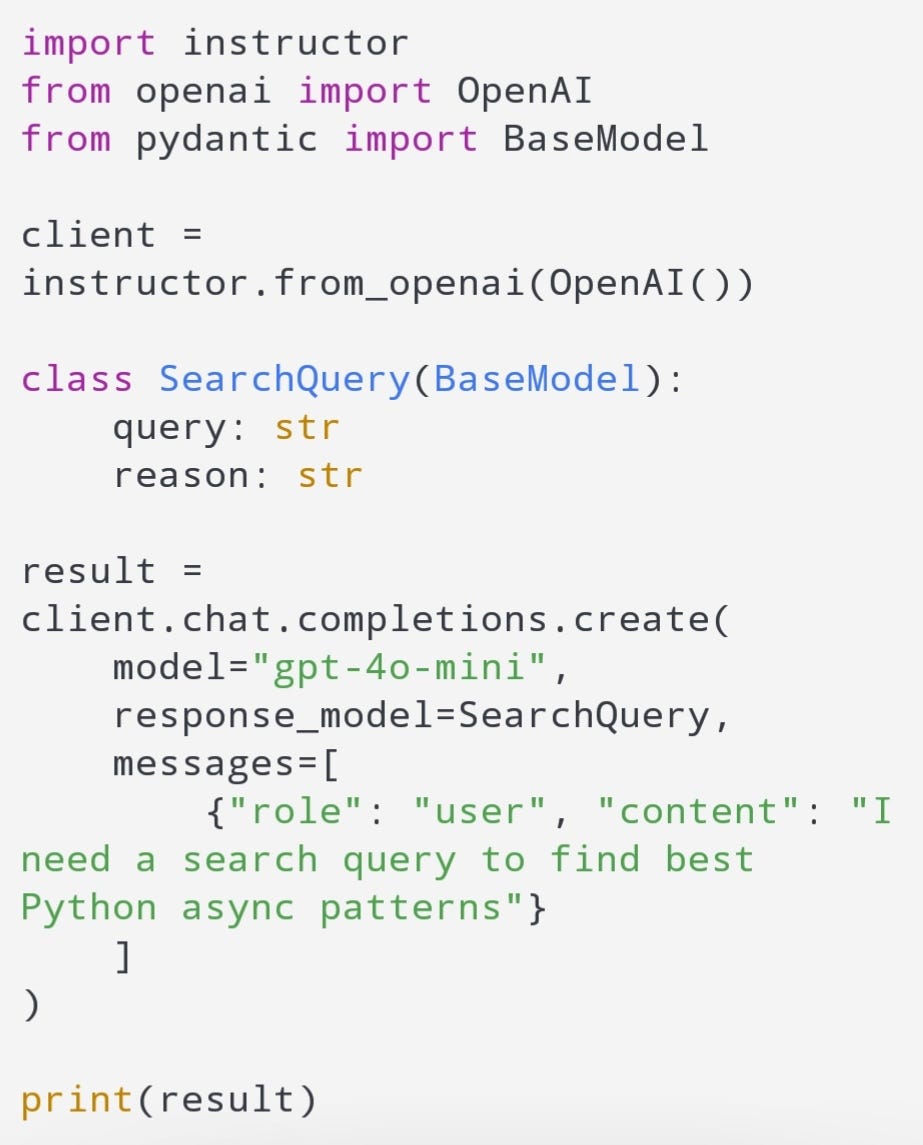
If you build agents that make decisions, Instructor is a game changer.
4. Tenacity
Retries that make your agent stop failing randomly
Agents fail constantly for boring reasons:
- timeouts
- rate limits
- flaky APIs
- tool failures
- network issues
Tenacity gives you clean retry logic without messy loops.
Example: retry tool calls

If you do not use retries, your agent will feel unreliable even if your logic is perfect.
5. httpx
The HTTP client that makes agents fast and async-ready
Agents are basically tool callers.
And tools often mean HTTP.
httpx is clean, modern, async-friendly, and way better than raw requests when your agent needs to run multiple calls.
Example: async API call
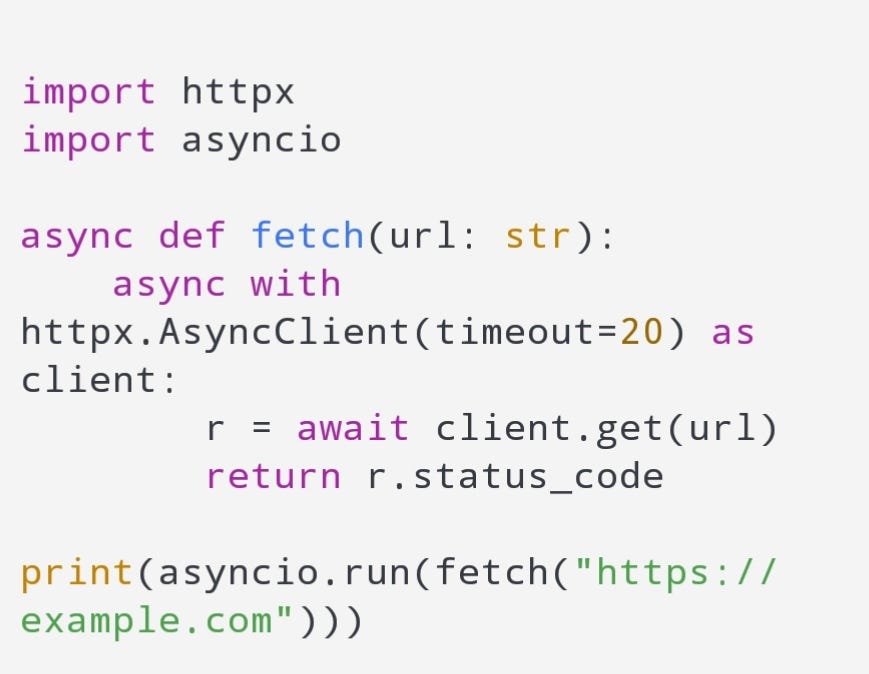
If your agent does 5–10 tool calls per task, async httpx is a huge win.
6. BeautifulSoup (bs4)
The scraping library agents still rely on
Yes, even in 2026, agents scrape.
If your agent needs to:
- read documentation
- parse blogs
- extract product info
- collect public data
BeautifulSoup remains the simplest reliable solution.
Example: extract page title
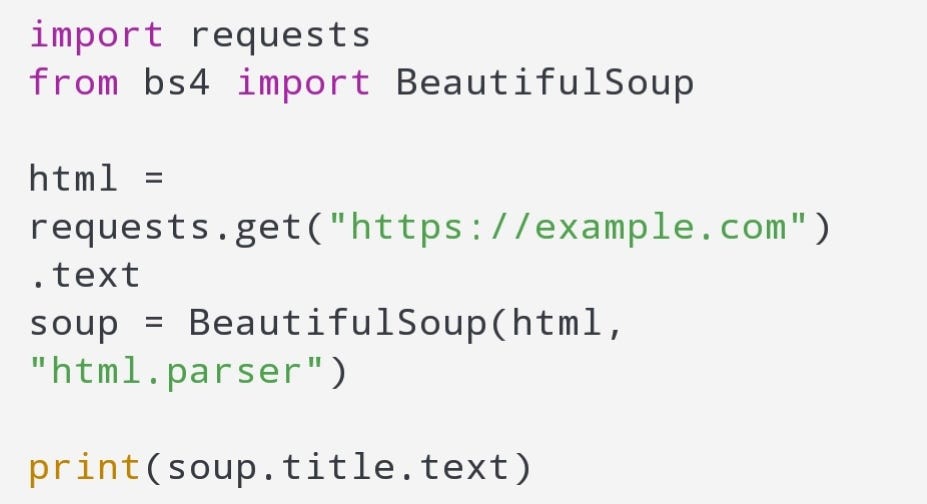
It is not fancy, but it works. And for agents, working beats fancy.
7. LlamaIndex
The RAG engine that makes retrieval actually usable
If you are building agents that need memory and knowledge, you need retrieval.
LlamaIndex is one of the best libraries for:
- indexing documents
- chunking strategies
- embeddings + vector search
- building RAG pipelines
- query routing
It is cleaner than most people expect.
Example: simple doc indexing
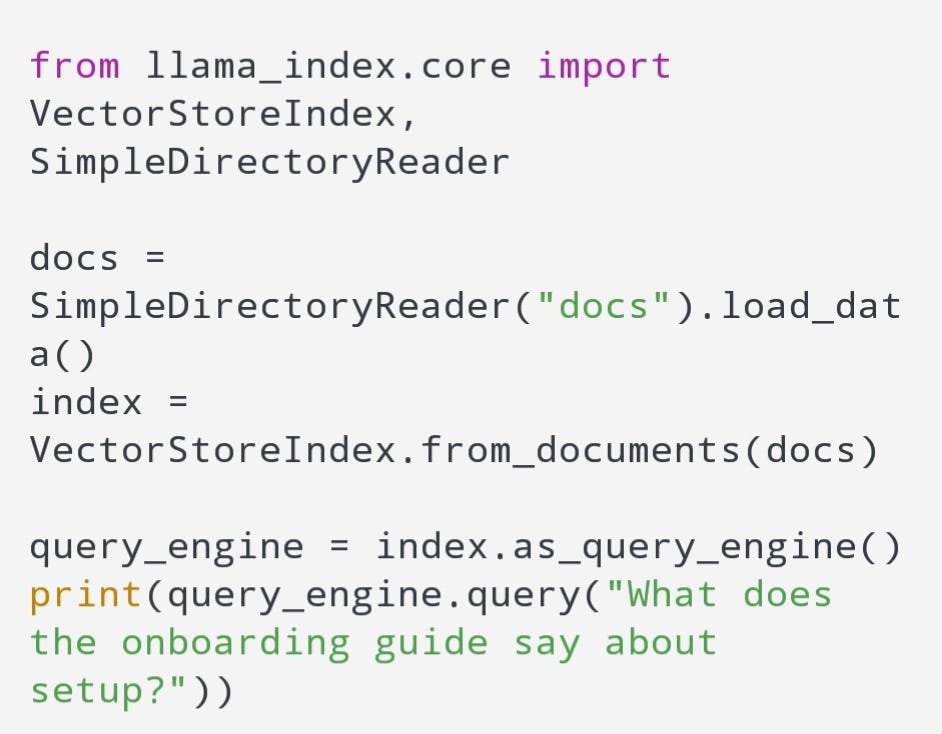
This is where agents stop feeling like chatbots and start feeling like assistants.
8. Langfuse
The observability tool that reveals why your agent is dumb
If you do not log traces, you will waste weeks debugging.
Agent bugs are invisible unless you can see:
- what prompt was used
- what tools were called
- what the model responded
- how long each step took
- where the failure happened
Langfuse gives you that visibility.
It is basically the difference between:
- guessing why your agent failed
and - knowing exactly why it failed
Once you start tracing agents, you never go back.
The Real Agent Stack (The One That Finally Worked)
If I had to rebuild from scratch, I would use this exact setup:
Core agent framework
- LangChain (or your own lightweight wrapper)
Structured output
- Pydantic + Instructor
Retrieval
- LlamaIndex
Tool calling reliability
- Tenacity + httpx
Web parsing
- BeautifulSoup
Debugging and observability
- Langfuse
This stack does not just build agents.
It makes them stable.
The Hard Truth About AI Agents
Most AI agents fail for boring reasons:
- tool calls return unexpected data
- output is not validated
- no retries
- bad retrieval
- no tracing
- async bugs
- prompts are untestable
These libraries fix the boring parts.
And once the boring parts are solved, the agent suddenly feels smart.
Writer : Mansheh